


Selling Your House As-Is: What It Means, What to Expect, and How to Get an Offer Fast


August 14, 2026

Share this article

If you’re thinking about selling your home, you’ve probably seen the phrase “as-is.” It sounds simple, but it can mean different things depending on the buyer.


This guide breaks it down in plain language—so you can decide if selling as-is is the right move, and what you should prepare to keep the process fast and low-stress.

What Does “As-Is” Actually Mean?

Selling a house as-is means you’re selling the property in its current condition.


  • You’re not promising to make repairs.
  • The buyer is agreeing to consider the home with its current issues.
  • You still must be honest about what you know (disclosures still matter).


In other words: you’re not fixing everything before you sell.

Why People Choose to Sell As-Is

Most sellers don’t choose as-is because they “don’t care.” They choose it because they want speed, certainty, and less disruption.


  • The home needs repairs you don’t want to fund
  • You inherited a property and don’t want to renovate
  • You’re relocating quickly
  • You’re dealing with a major life change (divorce, job shift, family needs)
  • The property has been vacant or hard to maintain

The Biggest Myth: “As-Is Means I Can Skip Everything.”

As-is does not mean:


  • You can hide problems
  • You can ignore liens or title issues
  • You can refuse access for reasonable inspections
  • You can avoid basic paperwork


As-is simply means repairs are not part of the deal unless you and the buyer negotiate them later.

What to Expect in an As-Is Sale

Every deal is different, but most as-is sales follow this pattern:


  1. Quick property info + photos (or a walkthrough)
  2. Offer range or initial offer based on condition and market comps
  3. Title check + basic due diligence (liens, ownership, taxes)
  4. Inspection (sometimes)—often for the buyer’s awareness, not to demand repairs
  5. Closing once paperwork and funding are ready


The fastest deals are the ones where the seller is responsive and the information is clean.

What Rockwood Typically Needs to Evaluate a Property

If you want a serious offer, you’ll get the best results by sending the essentials up front.

Property Basics

  • Address
  • Bedrooms/bathrooms
  • Approximate square footage (if known)
  • Year built (if known)
  • Occupancy status (vacant, tenant-occupied, owner-occupied)

Condition + Repair Reality

  • What you believe the major issues are (roof, HVAC, foundation, water damage)
  • Any recent upgrades (even small ones)
  • Whether utilities are on (important for walkthroughs/inspections)

Photos: The “Proof-First” Set

  • Front exterior
  • Back exterior
  • Kitchen
  • Bathrooms
  • Main living area
  • Any obvious damage (ceilings, floors, walls)
  • Mechanical areas (HVAC, water heater, electrical panel)

Clear photos reduce guessing, reduce delays, and speed up decision-making.

Paperwork

  • Mortgage payoff estimate (optional but helpful)
  • Property tax info
  • HOA info (if applicable)
  • Any insurance claim history you’re aware of
  • Existing inspection reports (if you have them)


Don’t worry if you don’t have everything—start with what you do have.

How Offers Are Usually Calculated

Most professional buyers work backward from the home’s after-repair value.


They estimate:


  • What the home could sell for after repairs
  • Repair costs
  • Holding costs (time, utilities, insurance)
  • Transaction costs (closing, financing, resale)
  • Risk buffer (unknowns)


Then they arrive at an offer that makes the project viable.


This is why two buyers can give very different offers: their repair assumptions and risk tolerance differ.

How to Get the Strongest As-Is Offer (Without Renovating)

You don’t need a full remodel. You need clarity.


  • Be upfront about major issues
  • Provide good photos
  • Keep utilities on if possible
  • Be responsive to scheduling
  • Have a realistic timeline for closing


Speed comes from clean communication.

Red Flags That Slow Down (or Kill) As-Is Deals

  • Unclear ownership (multiple heirs, missing signatures)
  • Liens you didn’t know about
  • Tenants without clear lease terms
  • No access to the property
  • Utilities off and no plan to turn them on
  • Seller disappears mid-process


None of these are “automatic no’s,” but they require coordination.

If You’re Not Sure Whether As-Is Is Right for You

  • Do I want speed and certainty more than top-dollar?
  • Do I have cash/time to repair this home?
  • Would I rather avoid showings and open houses?
  • Do I need a predictable closing date?


If your answers lean toward speed and simplicity, as-is can be a strong option.

Next Step: Get a No-Pressure Property Review

If you’re considering selling a home as-is, Rockwood can review the basics and tell you what’s realistic.


Send the address, a few photos, and a short note about condition and you’ll get a clear next step.


Clarity first. Speed second. Stress last.

Recent Posts

August 21, 2026
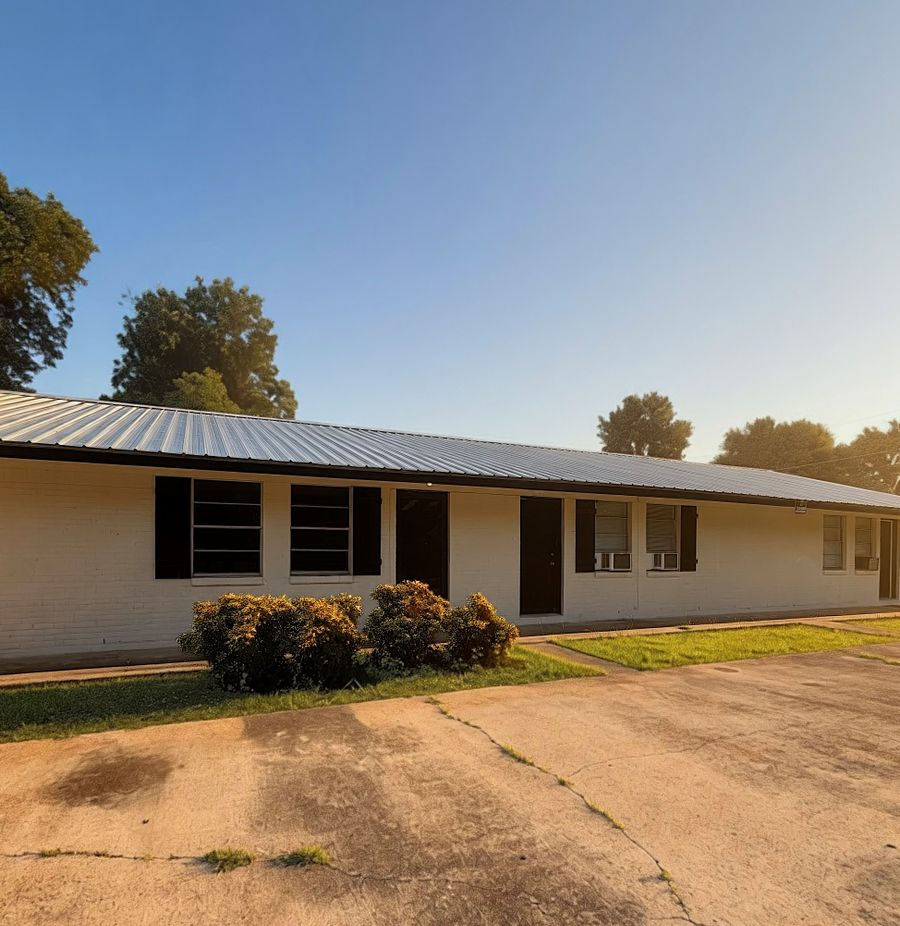
Learn how liens, inherited homes, title issues, and missing documents can delay a property sale—and what you can do first to get clarity.
August 20, 2026
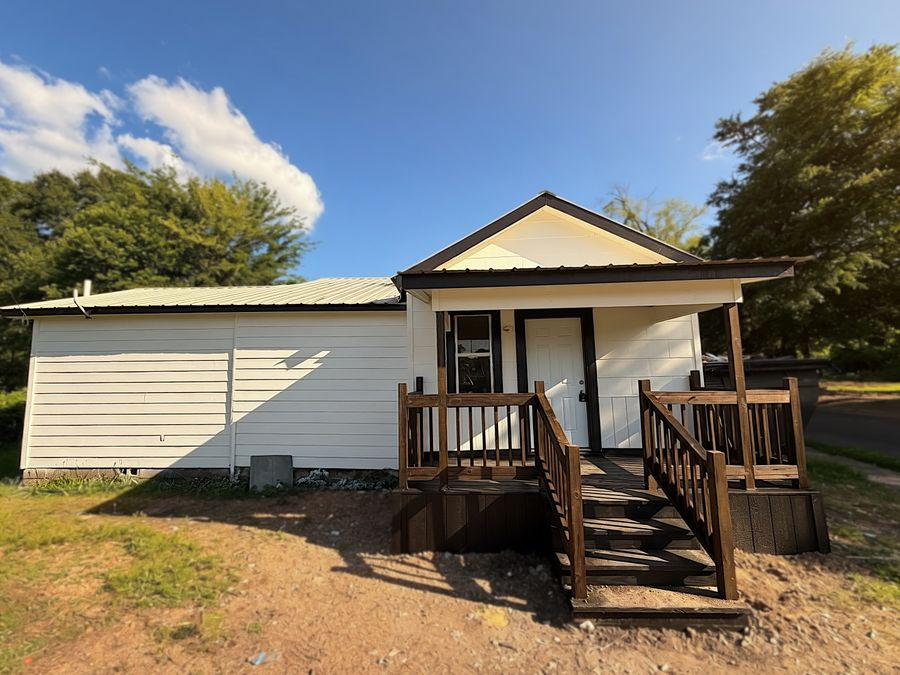
Learn your options for selling a house with tenants, including keeping the lease, selling vacant, or selling as-is while avoiding common problems.
August 19, 2026
Discover 6 simple renter habits that build stability, protect your rental history, reduce stress, and help prepare you for future homeownership.

August 18, 2026
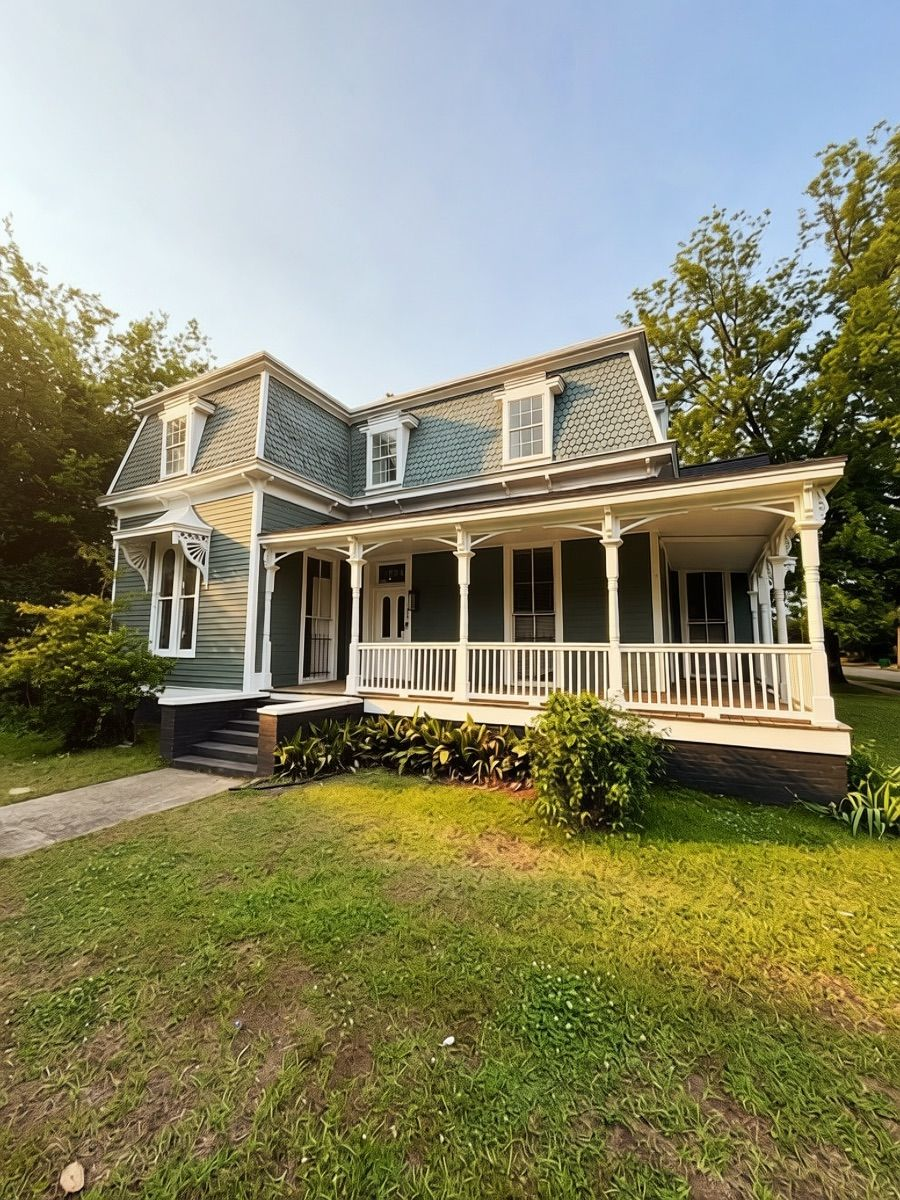
Learn what security deposits cover, what can reduce your refund, and simple steps to protect your deposit and get more of it back.
August 17, 2026
Is your house vacant, inherited, or costing you money? Discover 9 signs it may be time to sell and explore your as-is options with Rockwood.
August 16, 2026
See how working with one local real estate team can simplify rentals and as-is home sales, reduce delays, and make the process easier.

August 15, 2026
Learn how much rent you can afford with a simple 25%–35% rule and a practical budget worksheet to plan for monthly and move-in costs.

August 13, 2026
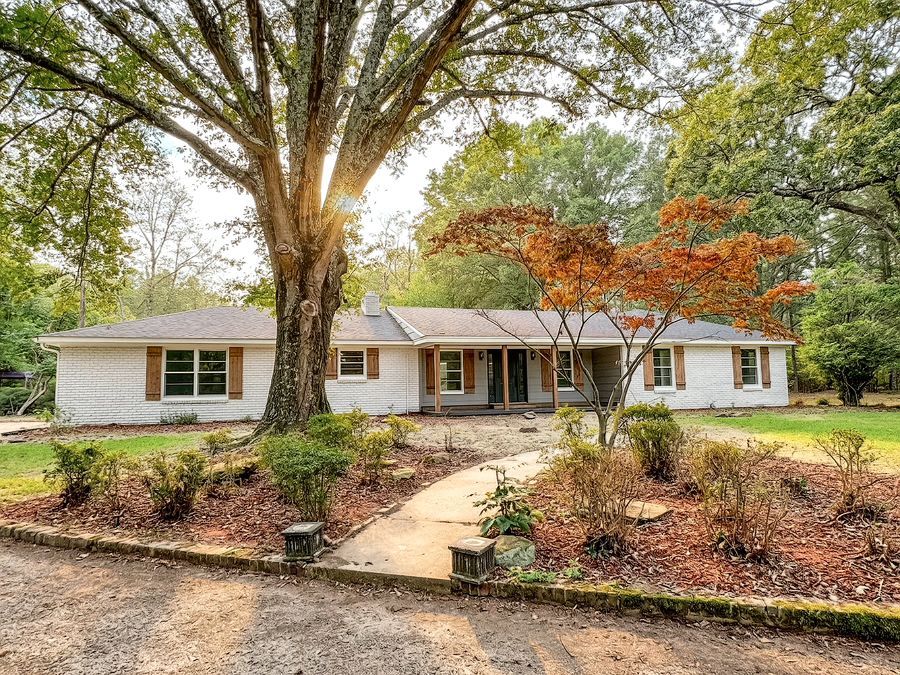
Prepare for your rental application in just 7 minutes. Follow Rockwood’s checklist to organize documents, avoid delays, and apply with confidence.
August 12, 2026
Most rental applications don’t get delayed because someone is a “bad applicant.” They get delayed because the application is incomplete, the documents don’t match, or the timeline turns into a back-and-forth. Here’s the good news: you can avoid most of that with a simple, 7-minute prep checklist. This is written for real people, not real estate pros. If you’re applying for a Rockwood rental—or any rental—this will help you move faster, look more credible, and reduce the stress.